EMERGENCY TIPS

EMERGENCY RESPONSE TIPS FROM THE RESTORATION EXPERTS IN Englehart, Earlton, Armstrong

When your home experiences water, fire, or smoke damage, the first steps you take can significantly reduce long-term damage and restoration costs. Acting quickly and knowing when to contact a professional restoration company are essential to protecting your home.

This is more than a house. It is your home, and it deserves the highest level of care. ServiceMaster Restore of Temiskaming is one of Englehart, Earlton, Armstrong leading restoration companies, providing expert guidance and rapid response to help homeowners prevent further damage and recover as quickly as possible.

Early action can determine whether a situation remains manageable or becomes a complex and costly restoration project. Professional support not only helps limit damage but also saves time, reduces stress, and restores normalcy faster.

ServiceMaster Restore of Temiskaming teams are trained to respond with precision, care, and efficiency. Our goal is to restore your home properly while giving you confidence and peace of mind throughout the process.

Below are practical, expert-backed steps to help you respond to common emergencies in Canadian homes.
WATER DAMAGE

What to do

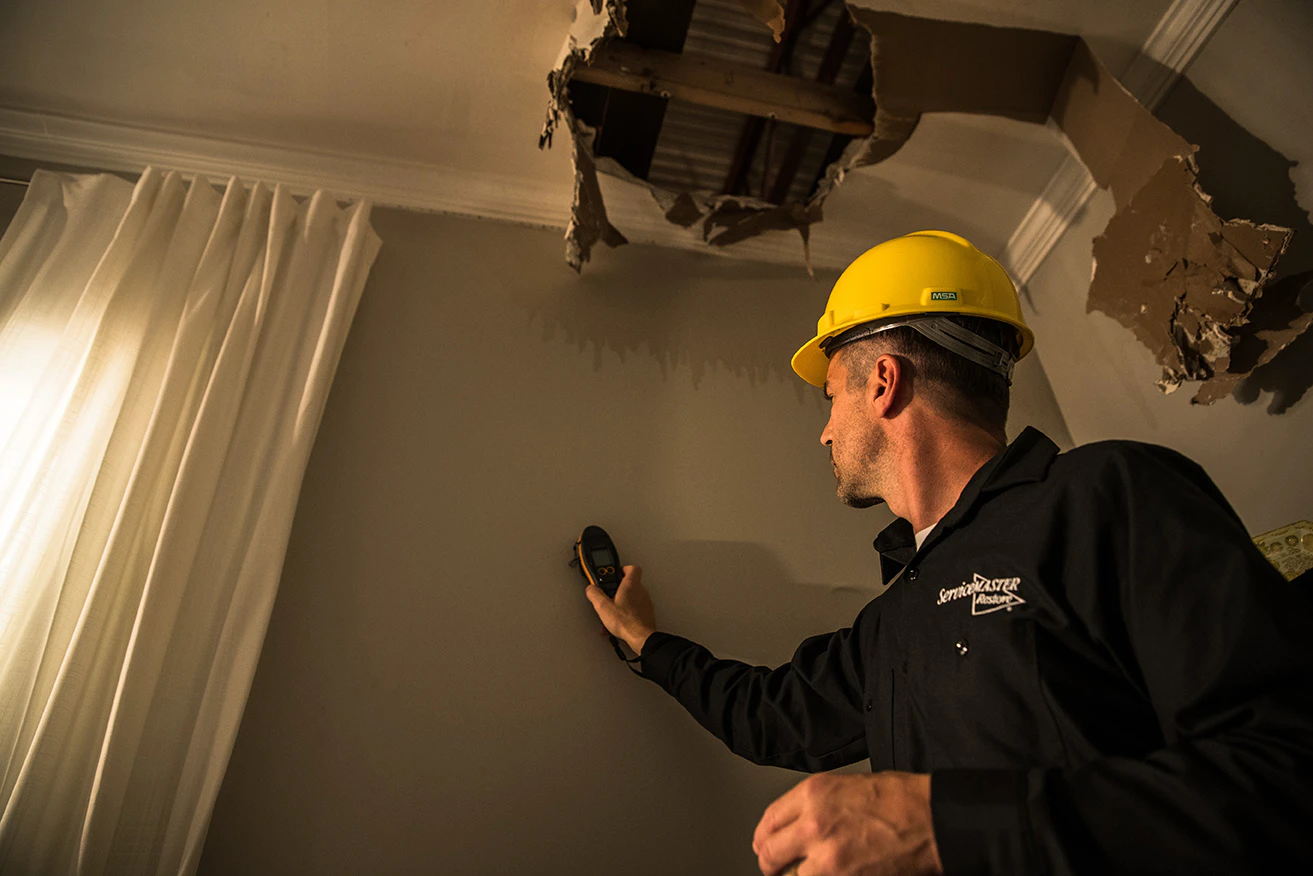
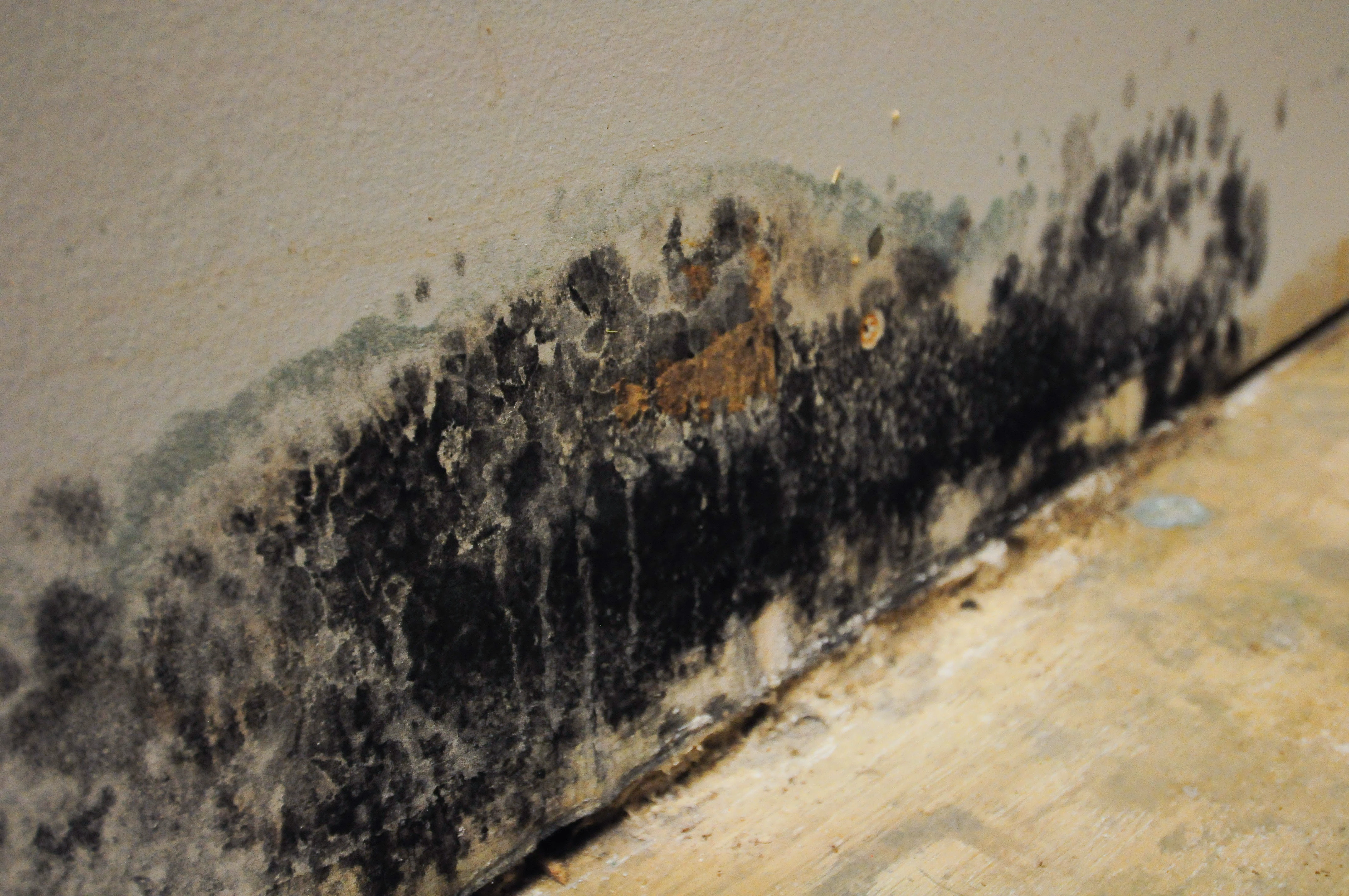
  • Contact a certified water damage restoration and mould removal professional immediately. Mould and bacteria can begin forming within hours.
  • If it is safe, shut off electrical power to affected areas before entering.
  • Remove standing water using mopping and blotting methods.
  • Remove wet area rugs and non-permanent floor coverings. Do not attempt to remove wall-to-wall carpeting.
  • Lift draperies off the floor using hangers to prevent further water absorption.
  • Wipe down furniture. Prop cushions upright for even drying and place aluminum foil under furniture legs.
  • Move photographs, artwork, and valuables to a dry, secure location.
  • Leave books on shelves and pack them tightly to reduce warping until professionals can treat them.
  • Open drawers, closets, and cabinets to promote airflow and drying.

What not to do

  • Do not enter rooms with standing water until electricity is safely turned off.
  • Do not use a household vacuum to remove water.
  • Do not lift secured carpeting without professional assistance.
  • Do not use electrical appliances on wet flooring.
  • Do not disturb visible mould growth.

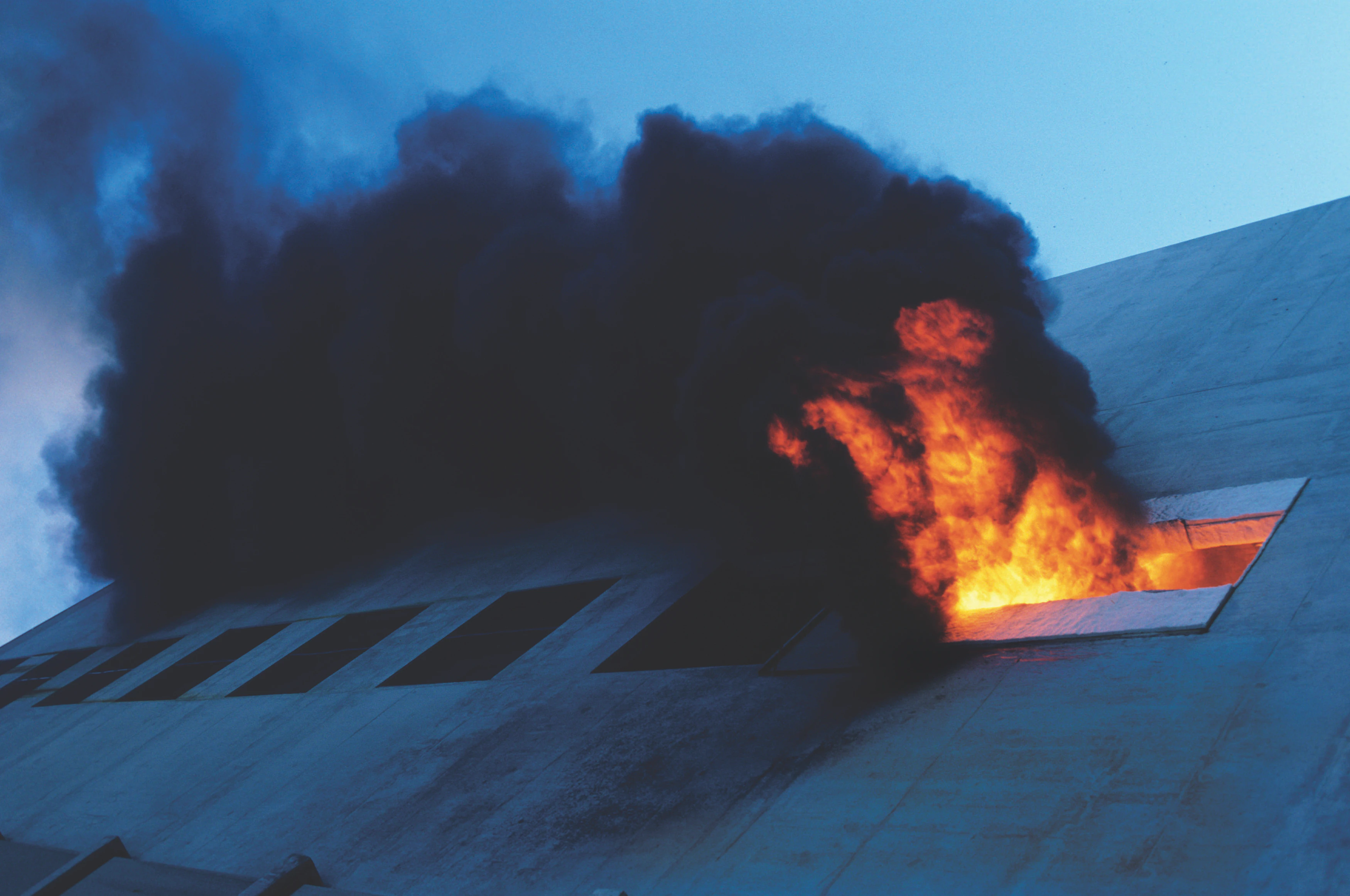
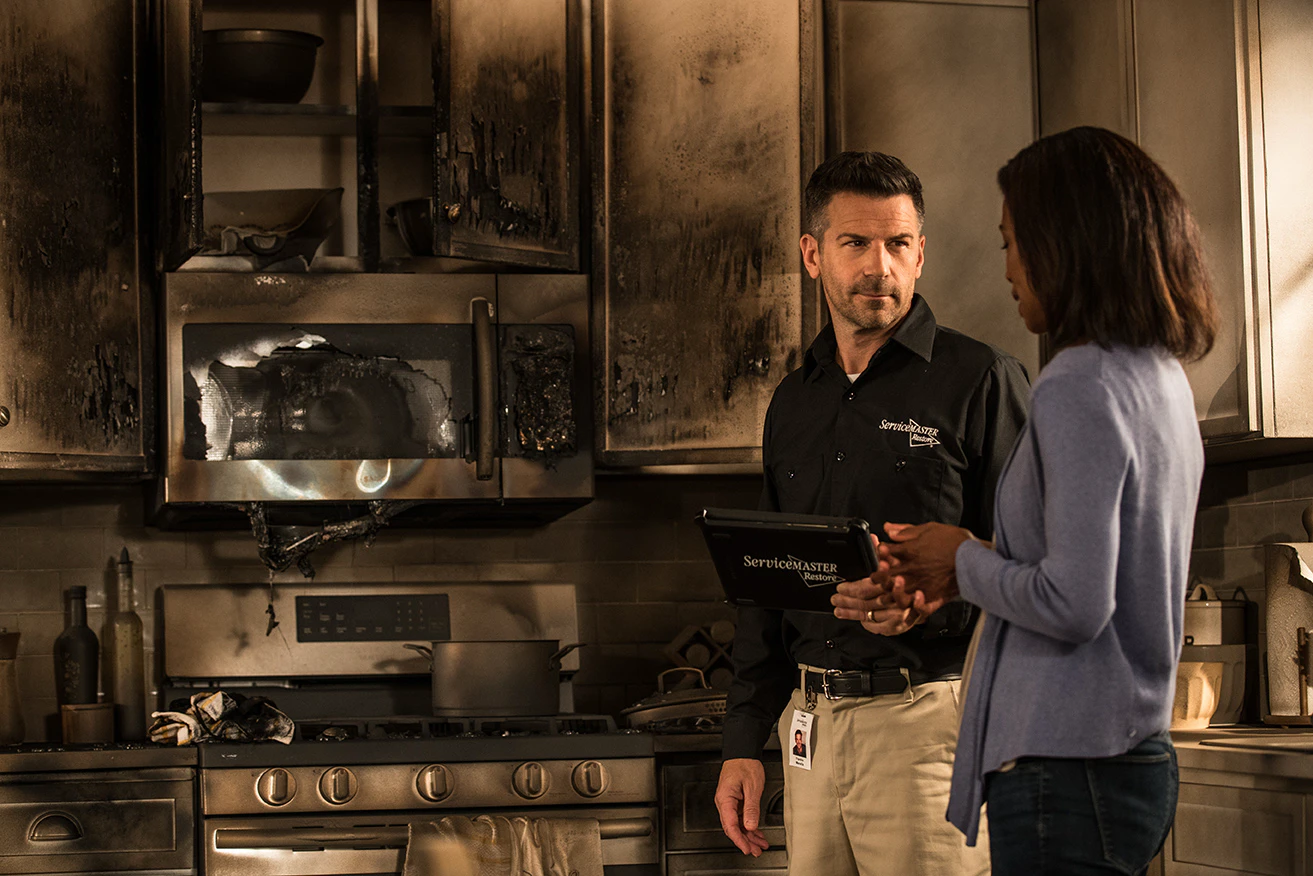
FIRE DAMAGE

What to do

  • Contact fire damage restoration professionals promptly. Corrosive residues can cause permanent damage within 72 hours.
  • If outdoor temperatures allow, ventilate the home to reduce smoke odours.
  • Clean hard surfaces such as chrome, porcelain, and aluminum to prevent staining or corrosion.
  • Replace furnace filters if your system uses forced air.
  • Place damp cheesecloth over vents to help capture airborne soot.
  • Discard any exposed food items.
  • If power is off, empty the refrigerator and leave doors open.
  • Send smoke-damaged clothing to a qualified restoration dry cleaner.

What not to do

  • Do not touch surfaces with bare hands, as oils can worsen damage.
  • Do not attempt to clean walls or surfaces as incorrect cleaning could compound the soot residue.
  • Do not clean carpets or upholstery yourself.
  • Do not use electrical appliances until they have been inspected.
  • Do not operate ceiling fixtures if ceilings are damp.

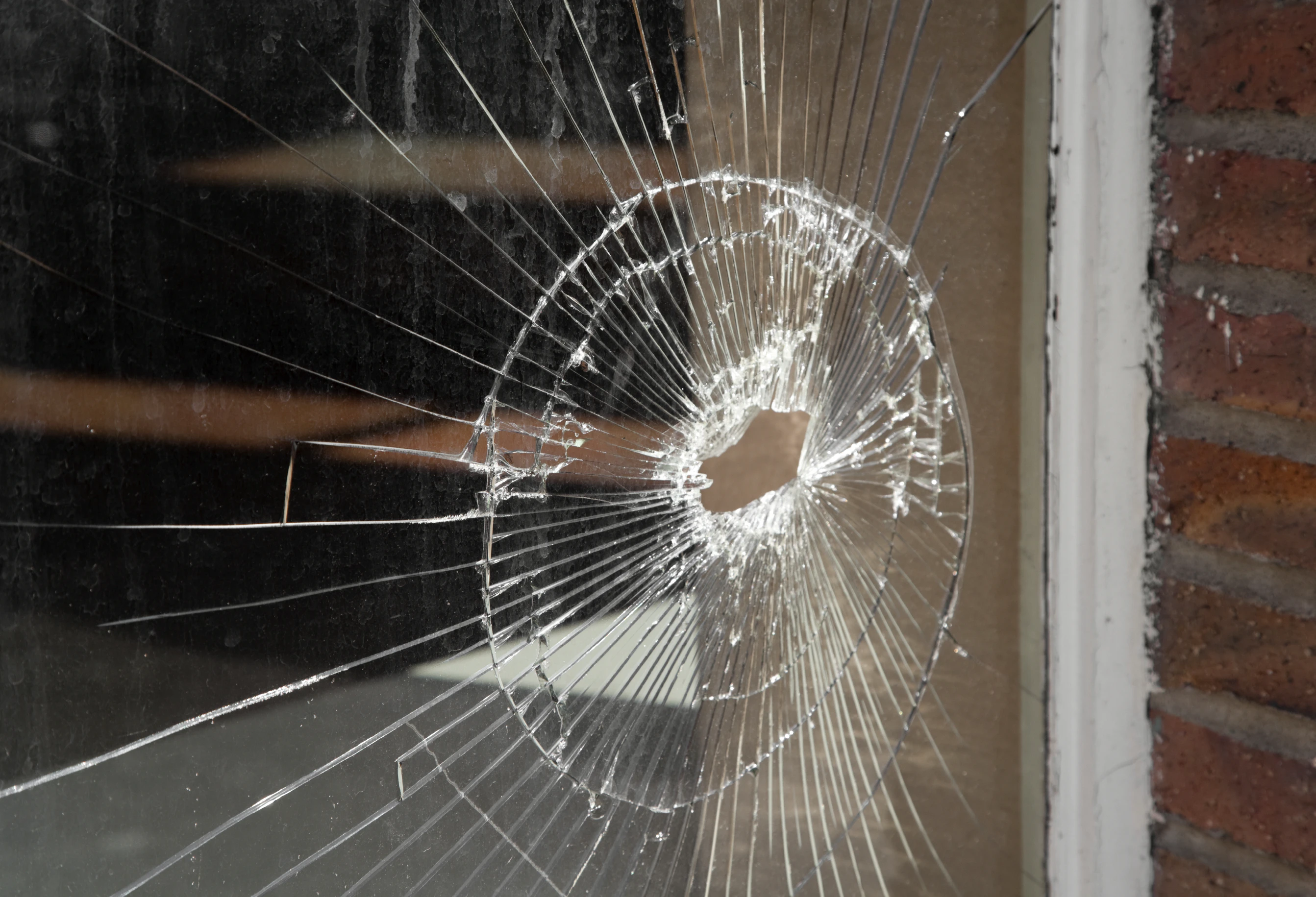
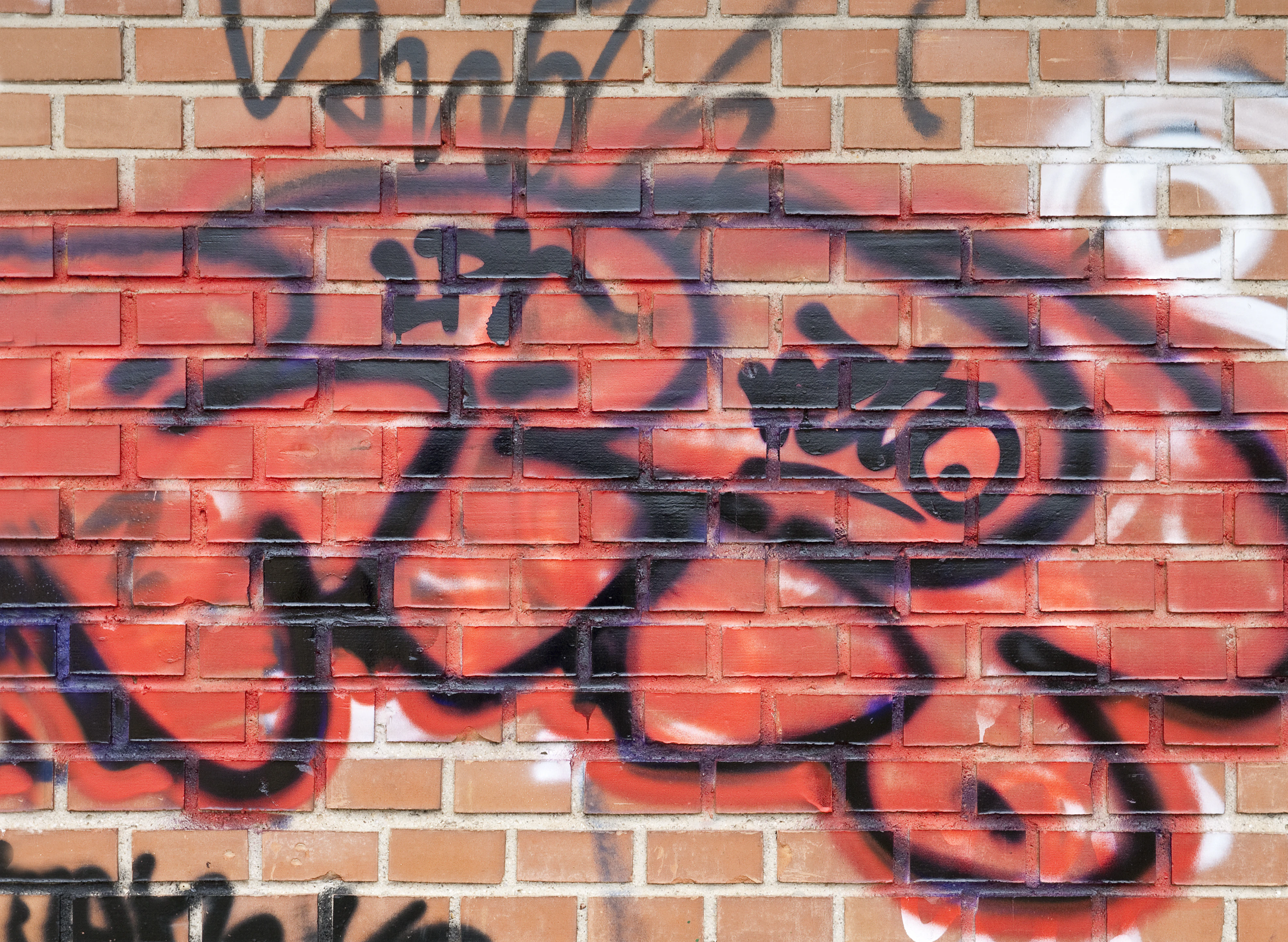
VANDALISM DAMAGE

What to do

  • Act quickly to prevent further damage. Contact a professional restoration service experienced in vandalism cleanup.
  • Document all damage for insurance and reporting purposes.
  • Use a shop vacuum to remove glass fragments from carpets and upholstery.
  • Remove debris carefully. Dab or blot surfaces rather than rubbing.
  • Rinse exterior surfaces with water to remove substances such as eggs or residue.

What not to do

  • Do not use standard household cleaners on fabrics, upholstery, or carpets.
  • Do not attempt to remove stains from paint, ink, or chemicals.
  • Do not operate any damaged electrical appliances.

By following these emergency tips and avoiding common mistakes, you set the stage for effective recovery and restoration.